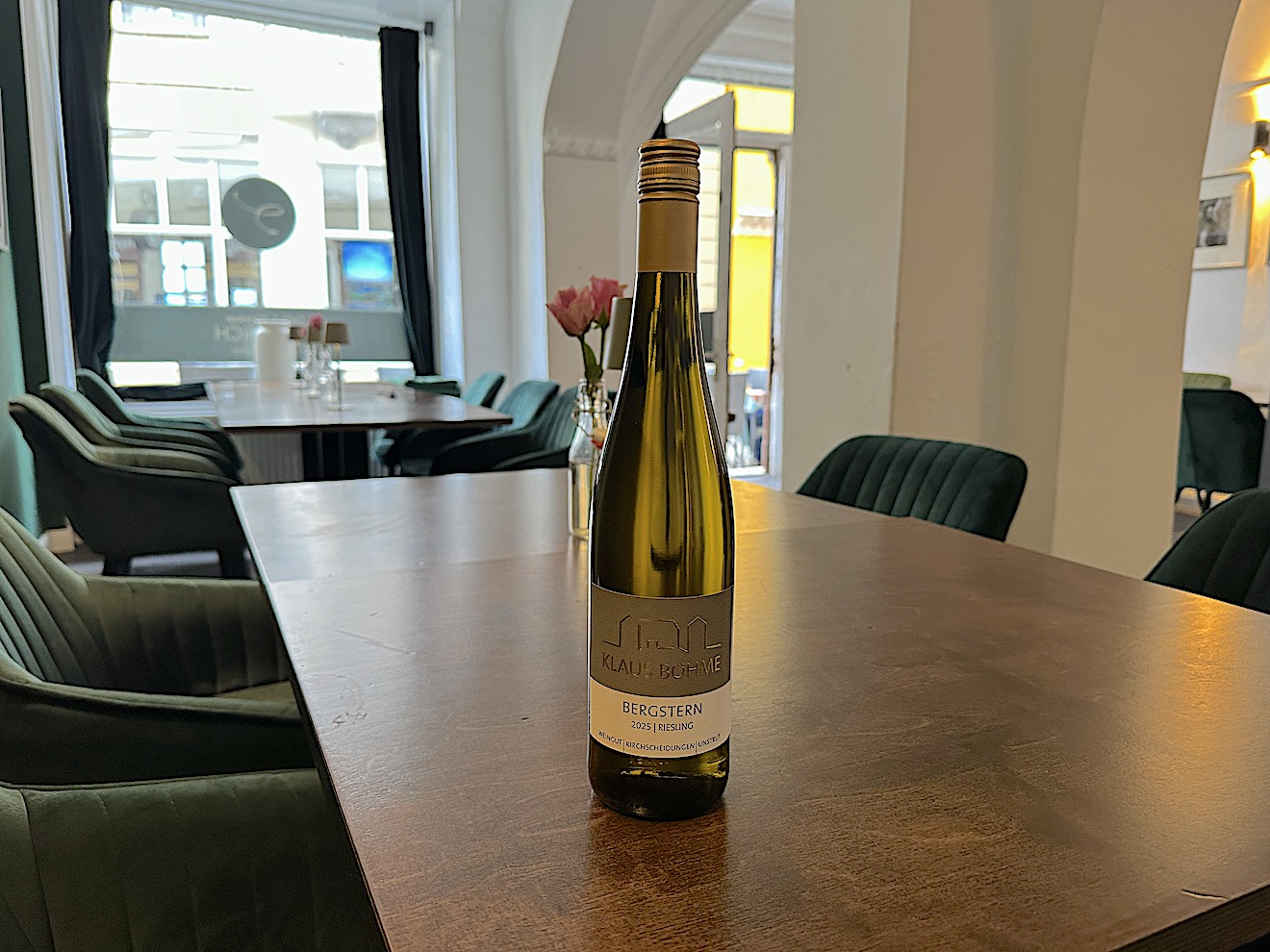
Dry, semi-dry, medium sweet. Off-dry, sweet?
The German designations for wine flavours, whether white, red or rosé, are partly prescribed by wine law and must be adhered to. Dry, semi-dry and sweet are common designations. But off-dry and sweet?
It always depends on the residual sugar content and the acidity of the wine or a combination of both.
Dry
Dry is the designation for wines that are almost or fully fermented, that means wines with a maximum residual sugar content of 4g/litre. Legislation also permits the designation "dry" up to a residual sugar content of 9g if the total acidity is a maximum of 2g/l lower than the residual sugar.
Medium Dry
Semi-dry wines may have up to 12 grams of residual sugar per litre, or up to 18g/l if the residual sugar content does not exceed the acidity content by more than 10g.
Medium Sweet
Semi-sweet wines have a residual sugar content that exceeds the values specified for semi-dry wines but does not exceed 45 g/litre.
Off-dry
The term Feinherb (Off-dry) is often used on german wine labels. This flavour designation is not legally defined. In terms of flavour, it is generally in the semi-dry to slightly sweet range.
Sweet
The indication sweet can be used for wines that have more than 45 g/l residual sweetness.