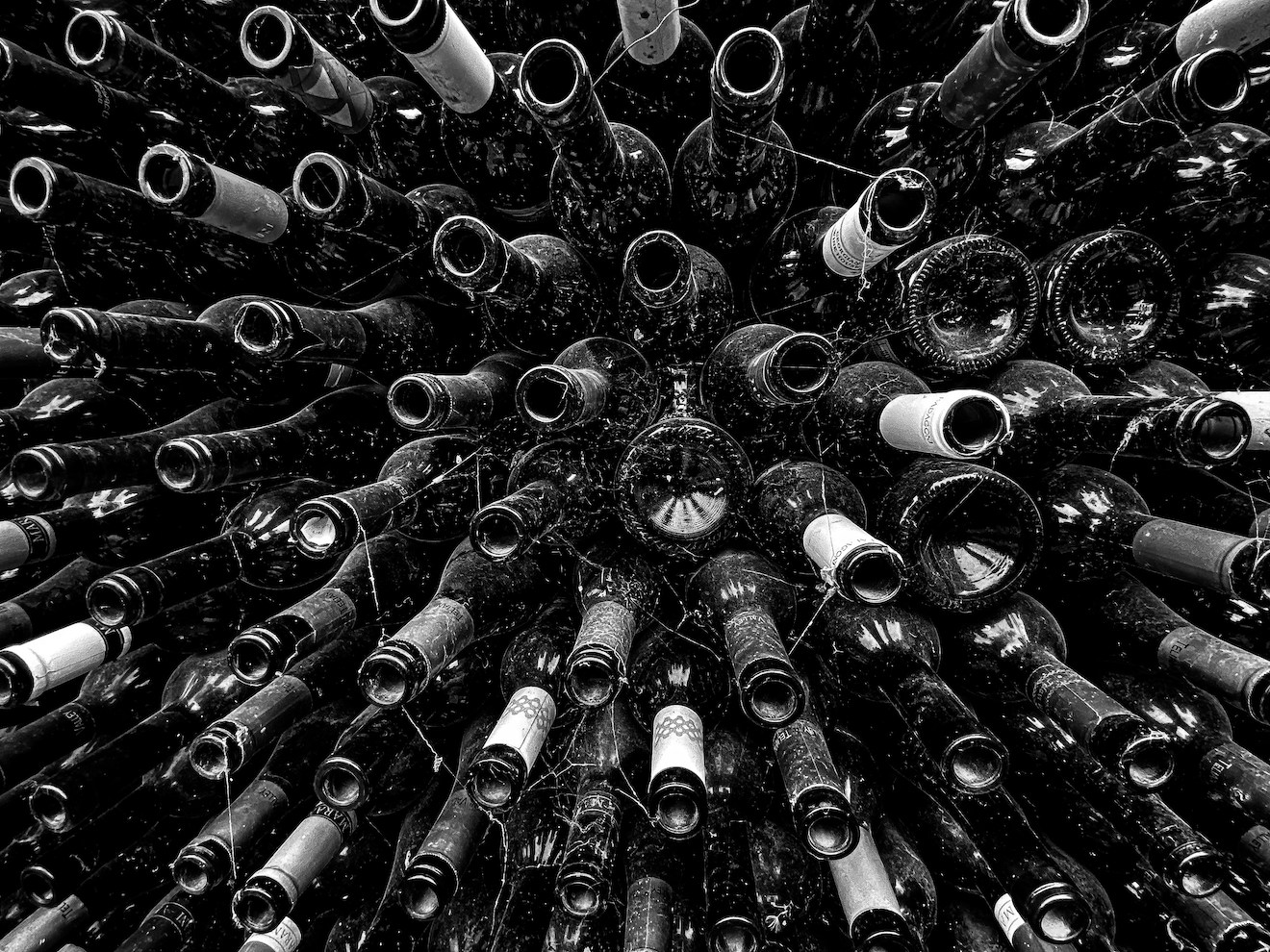
 Brief guide to bottles: the most common wine bottles
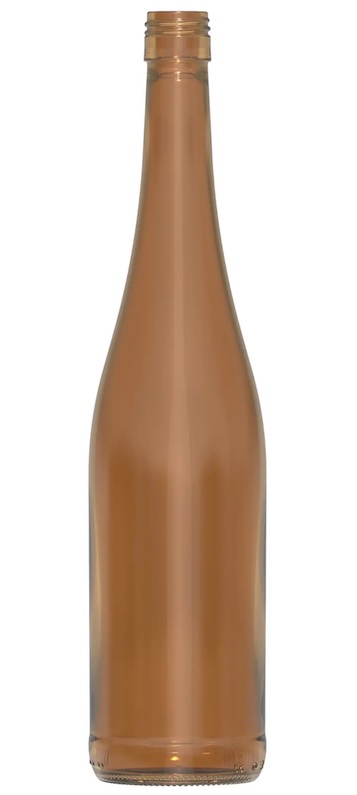
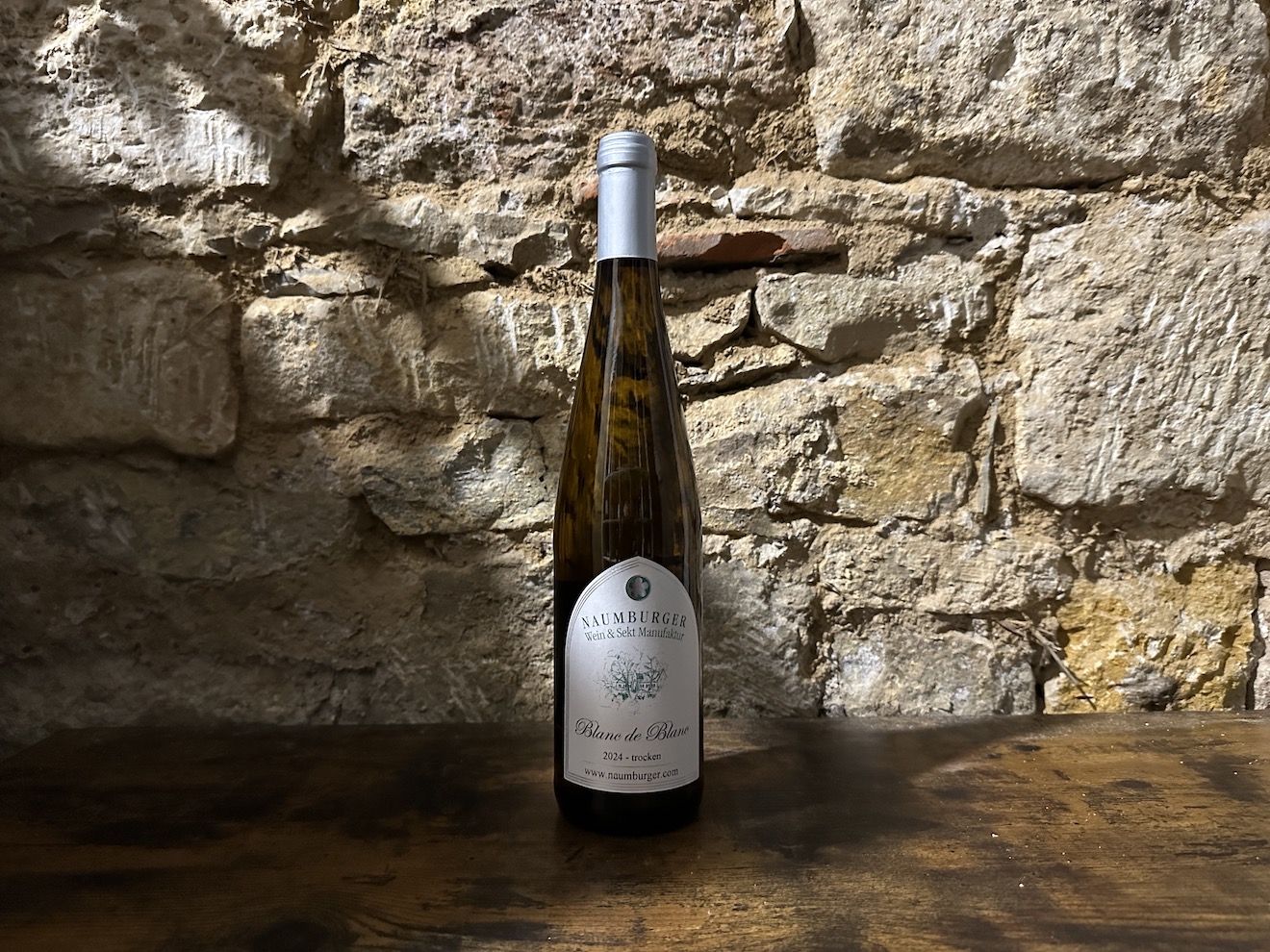
In addition to the familiar champagne or sparkling wine bottle, two different basic bottle shapes are used on the Wine-growing region Saale and Unstrut rivers for bottling, storage, further maturation and sale: the Schlegel bottle and the Bordeaux bottle, which come in white (transparent), green or brown glass.
With straight shoulders: The Bordeaux bottle
The Bordeaux bottle is easily recognisable by its shoulders. The bottom of the wine bottle is slightly curved. The bottle, as you might guess, is named after its place of origin. It is named after France's legendary wine region of Bordeaux, a name that has also become established in Germany. The neck of the bottle transitions into the body of the bottle with ‘straight shoulders’.
Slim and tall: The Schlegel bottle
The tall or Schlegel bottle is a slender, flute-like bottle which, much to our chagrin as restaurateurs, cannot be stored lying down so easily. Two rows can be stacked neatly on top of each other, but from the third row onwards, the bottles start to slide around in no time.
They originated in Germany. In the past, winegrowers in Alsace, the Palatinate and the Moselle had a completely different requirement than we do with our storage problems: as many bottles as possible had to be loaded onto a ship standing upright. At that time, wine was transported on the Rhine by ship, and space had to be used efficiently. The bottles are therefore traditionally narrower and taller than, for example, Bordeaux bottles.
Everyone knows it: The champagne bottle
The bottle has thicker walls than a wine bottle. It has to withstand the pressure inside the bottle. Its shape is somewhat similar to that of a Burgundy bottle. It has a fairly pronounced indentation at the bottom. It is elegant to place the thumb in the indentation when pouring to stabilise the flow. The indented base of the bottle absorbs the internal pressure better into the walls; this is its purpose and not to provide space for our thumb. It is simply there.
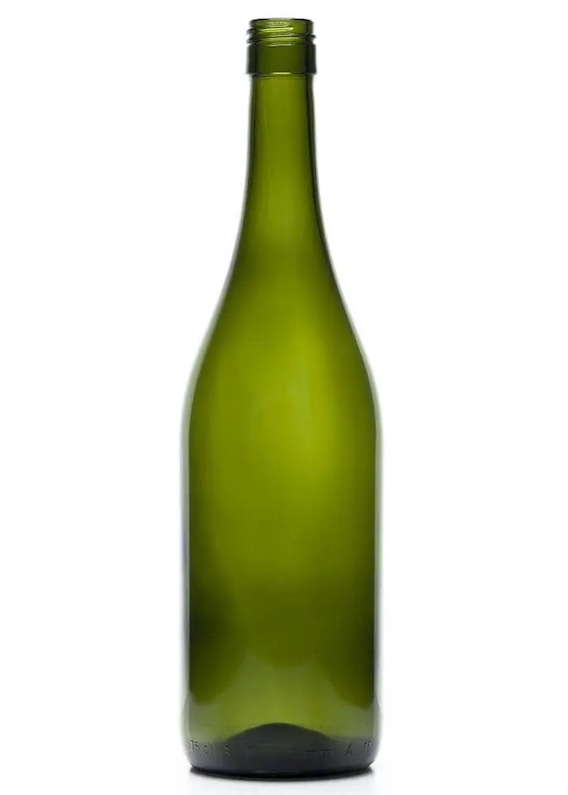
Slender neck: The Burgundy bottle
As its name suggests, this bottle originates from Burgundy in eastern France. Its neck transitions into the bulbous body via sloping shoulders (i.e. a gentle, slanted line). This bottle shape is not commonly used in the local wine region.
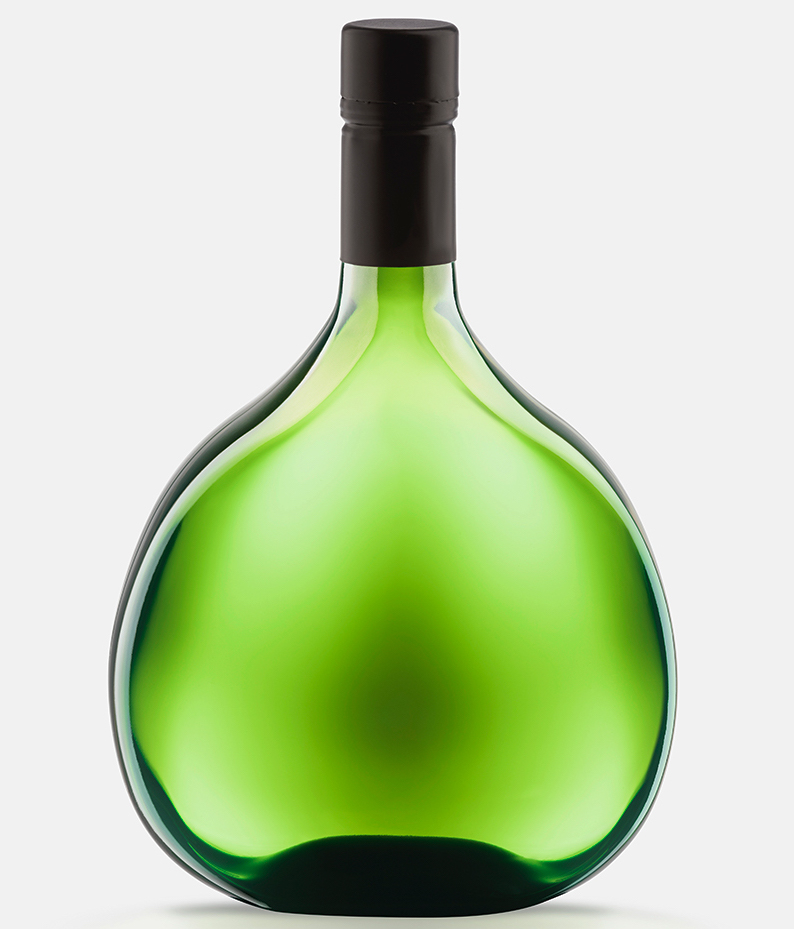
There are many other bottle shapes that are typical of certain regions. For example, the flat, bulbous Bocksbeutel is used in Bavarian Franconia and also in Portugal. Tokajer from Hungary and port wine come in their typical bottles. In Saxony, a bottle shape reminiscent of a pin on a bowling alley was once common. It bears the beautiful name Sachsenkeule. However, it was even more difficult to stack than a Schlegelflasche and so it never caught on among Saxon winegrowers. On the Rhine, there is also the so-called Rheingauer Flöte, which is even taller than the Schlegelflasche and decorated with ribbing on the neck. However, it is hardly known outside the region. Much more famous is the Fiasco bottle from Chianti. You may have seen it with a wicker basket around it as a candlestick.